Information Details
Youda insulation material manufacturer regularly updates insulation product information and company news to keep you informed of the latest developments and industry trends.
What is Bakelite Sheet? Complete Beginner’s Guide to Properties & Applications
In the world of industrial materials, Bakelite sheet holds a unique place. Known for its excellent insulation, high mechanical strength, and durability, this material has been widely used for decades in industries ranging from electronics and electrical engineering to automotive and household appliances.
But what exactly is Bakelite sheet? Why is it still widely used in modern industries despite the availability of newer materials like FR4, epoxy glass, and polycarbonate?
This guide will walk you through everything you need to know about Bakelite sheet, including its definition, properties, manufacturing process, advantages, applications, and tips for selecting the right type for your project.
- What is Bakelite Sheet?
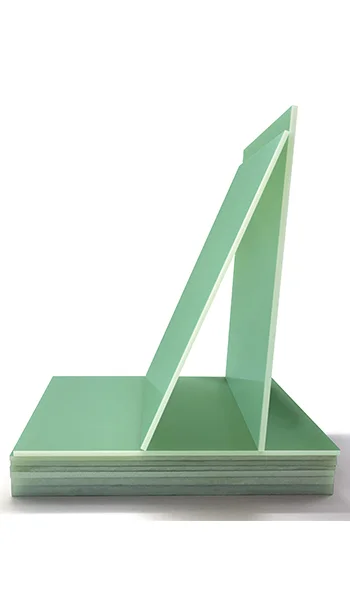
Bakelite sheet, also known as phenolic resin sheet or phenolic laminated sheet, is a thermosetting plastic material made from phenolic resin and reinforced with paper, cotton fabric, or glass cloth.
It was first developed in the early 20th century by Belgian chemist Leo Baekeland, who invented Bakelite — the world’s first synthetic plastic. The sheet form of Bakelite soon became popular due to its excellent electrical insulation and heat resistance, making it a standard material in the electrical and electronics industry.
In short:
Material: Phenolic resin + reinforcing base (paper, fabric, or glass)
Category: Thermosetting plastic sheet
Main Features: Electrical insulation, heat resistance, mechanical strength, chemical resistance
Common Name: Bakelite Sheet / Phenolic Sheet / Electrical Insulation Board

- Key Properties of Bakelite Sheet
1. Electrical Insulation
One of the most important characteristics of Bakelite sheet is its high dielectric strength, which makes it an excellent choice for electrical insulation in transformers, switchgear, circuit boards, and other components.
2. Mechanical Strength
Bakelite sheet has a hard and rigid structure, offering good mechanical properties. It can withstand pressure, machining, and drilling without losing strength.
3. Heat Resistance
Unlike thermoplastic materials, Bakelite sheet does not soften when exposed to heat. It has good thermal stability and can operate in environments where high temperatures are common.
4. Chemical Resistance
Bakelite sheet shows good resistance against solvents, oils, and weak acids, which adds to its durability in industrial environments.
5. Dimensional Stability
The sheet maintains its shape and thickness even under conditions of high temperature or humidity, making it reliable for long-term use.
- Manufacturing Process of Bakelite Sheet
The production of Bakelite sheet involves several steps:
Preparation of Phenolic Resin – Phenolic resin is synthesized through a condensation reaction of phenol and formaldehyde.
Impregnation of Base Material – Reinforcement materials such as kraft paper, cotton cloth, or glass fiber are impregnated with phenolic resin.
Drying Process – The resin-coated base materials are dried to form semi-cured prepregs.
Hot Pressing – Layers of prepregs are stacked together and pressed under high temperature and pressure, forming a solid laminated sheet.
Cooling and Finishing – After curing, the sheet is cooled and trimmed into standard sizes and thicknesses.
This process ensures the sheet’s rigidity, insulation, and resistance to heat and chemicals.
- Types of Bakelite Sheet
Bakelite sheets come in different grades depending on the reinforcement material used:
Paper-Based Bakelite Sheet: Lightweight, good electrical insulation, economical. Commonly used in low-voltage applications.
Fabric-Based Bakelite Sheet: Reinforced with cotton fabric, offering higher mechanical strength and better wear resistance.
Glass Cloth-Based Bakelite Sheet: Excellent electrical and mechanical properties, suitable for high-performance applications.
Each type has its own advantages, and the choice depends on the specific application requirements.
- Advantages of Using Bakelite Sheet
Excellent Insulator – Protects electrical components from current leakage.
Cost-Effective – More affordable compared to advanced composites like FR4 or epoxy glass laminates.
Durable and Long-Lasting – Resistant to wear, moisture, and chemicals.
Versatile – Can be used in electrical, automotive, household, and industrial applications.
Easily Machinable – Can be cut, drilled, and shaped into required designs.
- Applications of Bakelite Sheet
Bakelite sheet is widely used across multiple industries:
1. Electrical and Electronics
Transformer insulation
Switchgear panels
Circuit boards
Electrical enclosures
2. Automotive Industry
Gaskets and spacers
Brake components
Heat-resistant parts
3. Industrial Machinery
Mechanical gears
Fixture boards
Bearing retainers
4. Household Appliances
Handles of cooking utensils
Electrical plugs and sockets
Insulating bases
- How to Choose the Right Bakelite Sheet
When selecting Bakelite sheet for your project, consider the following factors:
Thickness – Available in different thicknesses (0.5mm – 100mm). Choose according to the strength and insulation required.
Base Material – Paper-based for electrical insulation, fabric-based for mechanical strength, and glass-based for high-performance applications.
Operating Environment – Check for required temperature resistance, humidity tolerance, and chemical exposure.
Standards and Certification – Ensure the sheet meets IEC, NEMA, or ASTM standards for safety and performance.
- Maintenance and Storage Tips
To extend the lifespan of Bakelite sheet:
Store in a dry and ventilated environment.
Avoid direct exposure to sunlight or moisture.
Keep away from corrosive chemicals.
Use appropriate cutting and drilling tools to prevent cracks or chips.
- Future of Bakelite Sheet in Modern Industry
Even though many new insulation materials have emerged, Bakelite sheet continues to play an important role due to its reliability, affordability, and versatility. With advancements in manufacturing processes, modern Bakelite sheets are now available with improved thermal resistance and mechanical strength, ensuring their place in industries for years to come.
- Conclusion
Bakelite sheet is a versatile, cost-effective, and highly durable insulation material that has stood the test of time. From its origins as one of the world’s first plastics to its modern-day applications in electrical, automotive, and industrial sectors, Bakelite sheet remains an essential material.
For beginners and professionals alike, understanding its properties, types, applications, and selection criteria is the key to maximizing its benefits in your projects.
Whether you are looking for electrical insulation, mechanical strength, or thermal resistance, Bakelite sheet offers a solution that balances performance and cost-effectiveness.
★ Recommended Reading:
Bakelite Sheets vs. Other Insulation Materials: What You Need to Know
If you need detailed information about related products, you can let me know via online chat, email, WhatsApp, or any other method, and we will contact you on the same day to solve your problem.